The subscription economy has revolutionized consumer spending, business models, and the very notion of ownership. As mobile app developers, founders, and monetization managers explore ways to scale globally and optimize pricing strategies, there’s an urgent need to dissect the broader subscription trend to understand its implications for your apps, your audience, and your bottom line.
This article dives into the origins and evolution of subscription models, their impact on consumers, and actionable lessons for app developers aiming to strike the right balance between monetization and customer value.
The Subscription Takeover: A Historical and Economic Shift
Subscriptions might feel like a modern trend, but they have a long history. From newspapers and milk delivery to cable TV and streaming platforms, the subscription model has evolved alongside technology. However, it wasn’t until the rise of the internet and smartphones that subscriptions became ubiquitous.
The Turning Points in Subscription History
- Cable TV and the 1970s Revolution: The launch of HBO in the 1970s marked one of the first major shifts toward subscription-based services for non-physical goods. By the mid-1980s, millions of households were paying monthly for access to curated entertainment.
- The Internet Era: The 1990s saw internet providers like AOL popularize subscriptions for connectivity. Simultaneously, companies like Blizzard and Salesforce began transitioning physical software into digital subscription services.
- The Smartphone Boom: The late 2000s solidified subscriptions as part of everyday life. With mobile apps integrated into daily routines, developers began introducing subscription tiers for apps, from productivity tools to entertainment services.
Why Subscriptions Appeal to Businesses
For companies, subscriptions offer predictable, recurring revenue. They also create opportunities for upselling, higher lifetime value, and passive revenue from "inattentive" customers who forget to cancel. Research cited in the video revealed that companies can earn up to 200% more revenue from subscription models compared to one-time purchases.
Apple and Adobe are prime examples of the subscription economy’s profitability. Adobe’s Creative Cloud, launched in 2012, transformed its revenue trajectory, with earnings growing fivefold in just over a decade. Similarly, Apple expanded its ecosystem with numerous subscription-based services that now rival hardware sales in revenue generation.
sbb-itb-43fe43a
Consumer Frustrations: The Cost of Convenience
While businesses thrive on the subscription model, consumers are growing increasingly wary of its pitfalls.
Hidden Costs: Paying More for Less
A recurring theme in the subscription economy is consumer overpayment. Take the example of HP’s printer subscription: A $160 printer instead costs $192 over two years through a mandatory subscription. Worse yet, customers don’t even own the printer after fulfilling their payment terms.
Similarly, a gaming PC rental from NZXT, costing $129 per month, becomes exorbitantly expensive after just 15 months - exceeding the outright cost of purchasing the hardware.
The bottom line: Subscriptions often mask higher lifetime costs, placing convenience above transparency.
The Decline of Ownership
As subscriptions become prevalent, ownership is disappearing. From media (streaming services like Netflix and Spotify replacing DVDs and CDs) to hardware (smart mattresses and even cars locking features behind monthly fees), the subscription model has blurred the line between access and ownership.
This non-ownership economy raises key concerns:
- Customers lose control over features and usage.
- Prices are subject to sudden increases.
- The ability to resell or pass down products disappears entirely.
Dark Patterns and "Subscription Traps"
Many companies make it difficult for consumers to opt out of subscriptions. Tactics include hidden cancellation fees, unclear terms, and complex user interfaces designed to hide cancelation options. These tactics, referred to as dark patterns, erode consumer trust and generate long-term frustration.
For example, Adobe faced legal scrutiny for imposing steep cancellation fees on its Creative Cloud subscribers, even when users believed they had signed up for month-to-month plans.
Lessons for Mobile App Developers
As app developers in a subscription-driven economy, the key challenge is to leverage the benefits of recurring revenue while avoiding practices that alienate or exploit your audience. Here are actionable insights from the subscription economy’s successes and failures:
1. Prioritize Transparency
Consumers are increasingly skeptical of hidden fees and unclear terms. Advertise subscription pricing clearly, including cancellation policies, renewal terms, and any additional charges. Building trust will differentiate your app from competitors.
2. Offer Value Beyond Convenience
The video highlighted consumer resentment toward subscription models that prioritize revenue over genuine value. Focus on offering meaningful, consistent upgrades that justify recurring costs. For example, Procreate has earned customer loyalty by maintaining a one-time purchase model, prioritizing user satisfaction over short-term revenue boosts.
3. Leverage Localization and Smart Pricing
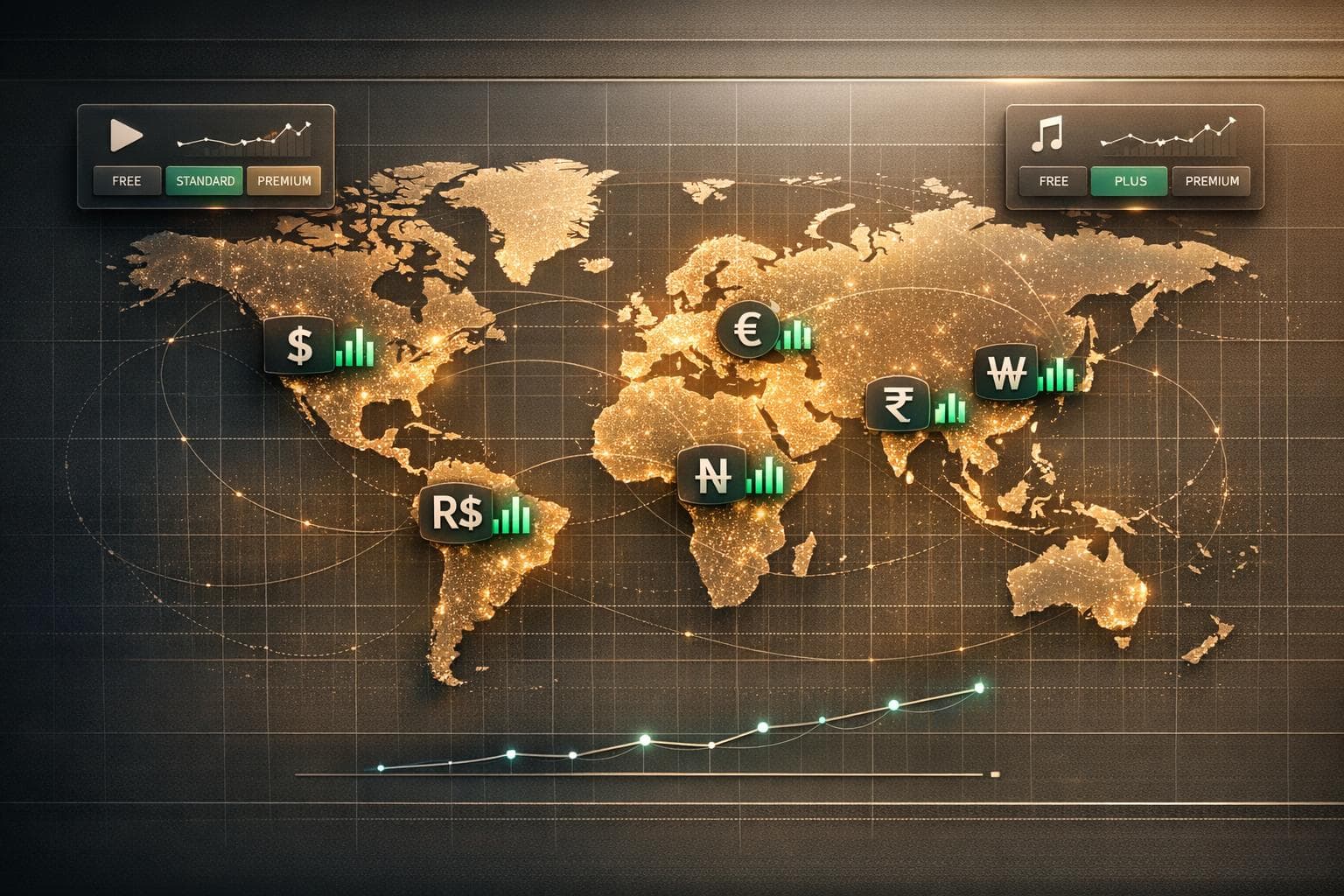
Subscriptions let you scale globally, but success depends on tailoring prices to local markets. App founders can use automated tools to adjust prices by region, ensuring affordability in emerging markets while maximizing revenue in higher-income regions.
4. Simplify Cancellation
A seamless cancellation process might seem counterintuitive to revenue goals, but it builds loyalty and reduces churn due to frustration. Offering a clear "click-to-cancel" mechanism can help cultivate long-term trust.
5. Experiment with Hybrid Models
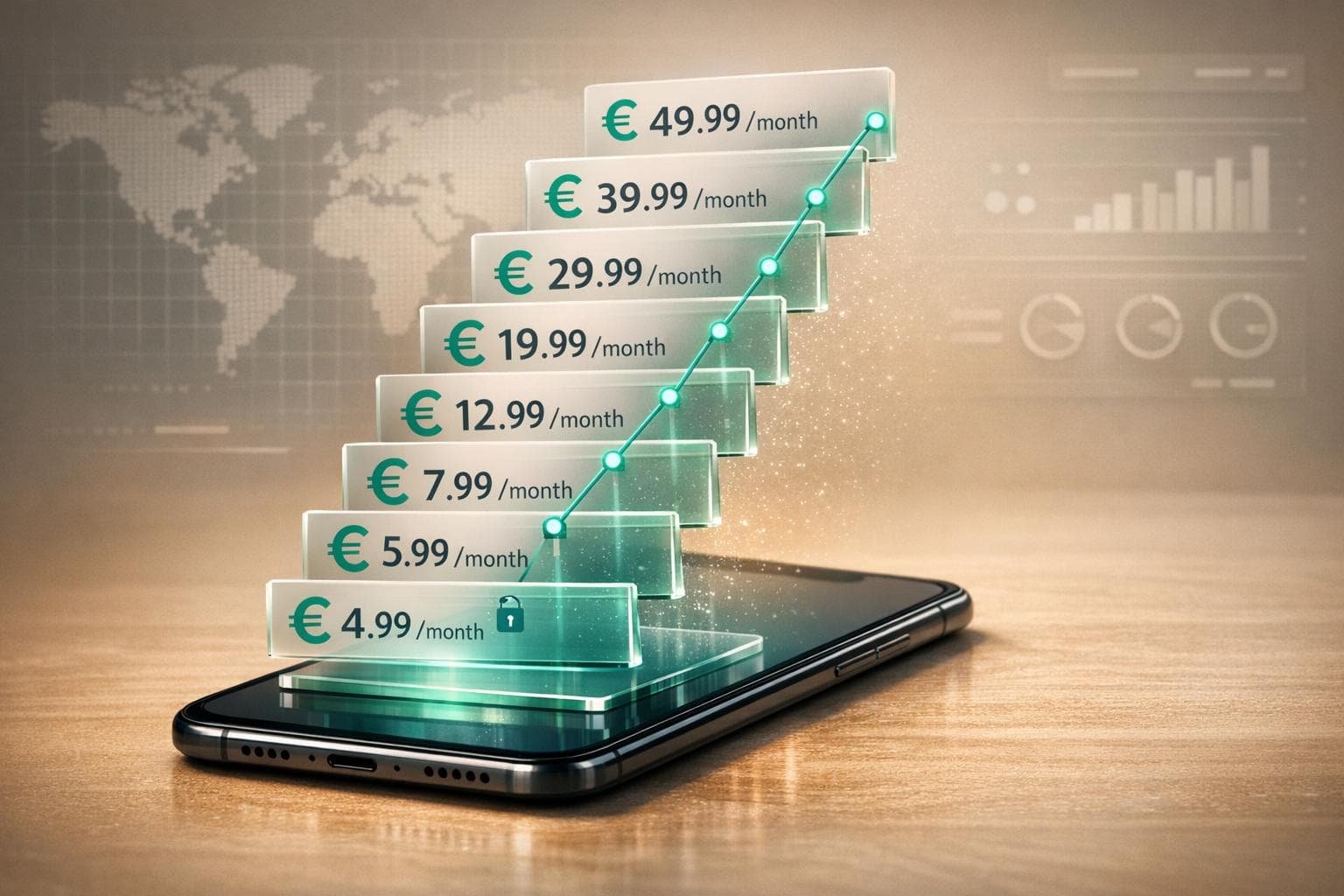
Not all users are ready to commit to monthly payments. Offering hybrid models - such as one-time purchases with optional subscription add-ons - can appeal to a broader audience. Similarly, consider tiered pricing structures (e.g., free, premium, and pro levels) to cater to different user segments.
6. Reassess Lifetime Costs
Consumers are frustrated by subscriptions that exceed the cost of outright purchases. If your app’s subscription cost risks exceeding the value it provides over time, consider reevaluating its structure or introducing caps.
7. Focus on Retention, Not Just Acquisition
While free trials and sign-up promotions can attract users, retaining them requires continuous engagement and perceived value. Use data analytics to monitor usage patterns and proactively address churn risks.
The Bigger Picture: What Does the Future Hold?
As the subscription economy continues to grow, tensions between businesses and consumers are likely to rise. Regulatory bodies like the FTC are already stepping in to address unfair practices, such as deceptive sign-up processes and restrictive cancellation policies.
For mobile app developers, the path forward lies in balancing profitability with fairness. By focusing on transparency, value, and customer satisfaction, apps can harness the benefits of subscriptions without alienating their user base.
Key Takeaways
- Subscriptions Are Everywhere: From software to hardware, the subscription model dominates modern commerce.
- Transparency Builds Trust: Clear pricing, cancellation terms, and value propositions are non-negotiable.
- Lifetime Costs Matter: Be mindful of the long-term cost to users; excessive fees risk driving them away.
- Dark Patterns Backfire: Avoid manipulative tactics like hidden fees or difficult cancellation processes.
- Localization Is Key: Use data-driven tools to create region-specific pricing strategies that appeal to global audiences.
- Hybrid Models Work: Offer flexible pricing tiers or one-off purchase options to reach more potential users.
- Retention Drives Revenue: Focus on keeping users engaged and happy, not just on acquiring new ones.
- Regulation Is Coming: Anticipate stricter rules on subscription practices and adapt accordingly to stay ahead.
By addressing consumer frustrations and prioritizing ethical pricing models, mobile app developers can thrive in the subscription economy while fostering sustainable, global growth.
Source: "Why Subscriptions Make Everything More Expensive" - Business Insider, YouTube, Jan 24, 2026 - https://www.youtube.com/watch?v=8AKn-zJMIwY