

How to Monetize an App
Five ways an app makes money, the three that survive contact with real users, and how to pick one based on how often people actually open your app.
Read moreMirava vs BasePrice: App Store Regional Pricing Compared
Mirava and BasePrice both localize app prices by country. The real difference is what the recommendation is built on, and how you check your prices before committing.
Read moreMirava vs ParityAppKit: App Store Regional Pricing Compared
ParityAppKit localizes App Store prices with PPP. Mirava adds Google Play, real app-spend data, and a free audit. Here is how they compare.
Read moreMirava vs PPP Price Planner: App Store Regional Pricing Compared
PPP Price Planner is an iOS calculator that exports a price list you apply by hand. Mirava is a platform that recommends and pushes prices to both stores. Here is the difference.
Read moreMirava vs Price Localize: App Store Regional Pricing Compared
Price Localize sets prices from PPP, Big Mac, and Netflix indices. Mirava starts from real app-spend data and covers both stores. Here is the comparison.
Read moreMirava vs PricePush: App Store Regional Pricing Compared
Mirava and PricePush both localize app prices across both stores. The difference is the data behind the price and whether you can check your pricing for free first.
Read more
Price Localization for Mobile Apps: The Operator's Guide
Price localization means setting real per-country prices from willingness-to-pay data, not FX conversion. Here's how operators actually run it.
Read more
Best App Pricing Tools for Developers: All 17 Compared (2026)
Every real app pricing and price-localization tool on the market, 17 of them plus the two defaults most developers use without knowing it, sorted by what the price recommendation is actually built on.
Read more
App Revenue: How to Check, Calculate, and Grow It
Forecast your own app's earnings, calculate the number from the formula, estimate any competitor from public data, and find the one lever that moves it fastest.
Read more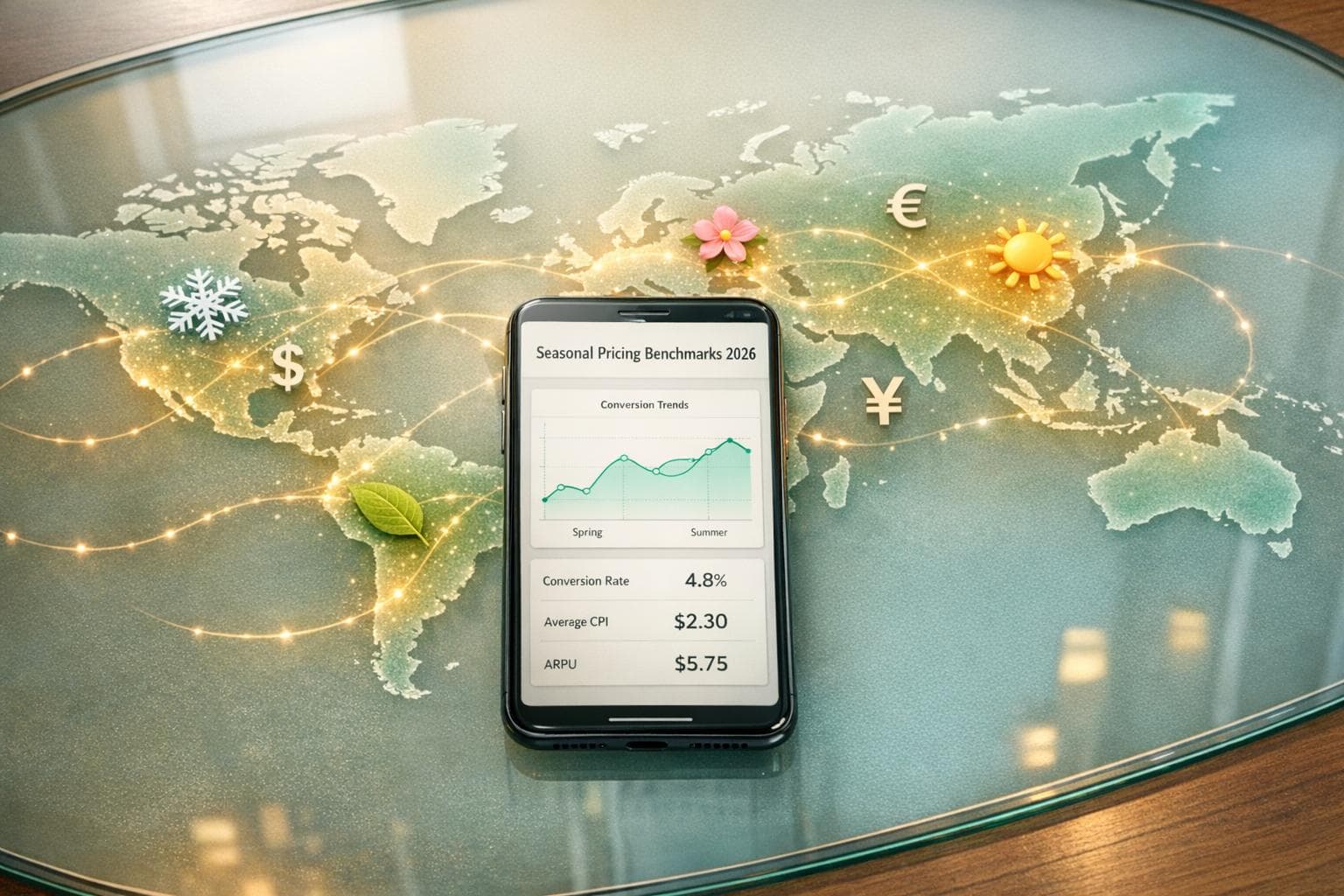
Seasonal Pricing Benchmarks for Mobile Apps 2026
2026 seasonal pricing benchmarks for mobile apps: holiday discount depth, category peaks, regional rates, and how to layer promos on localized pricing.
Read more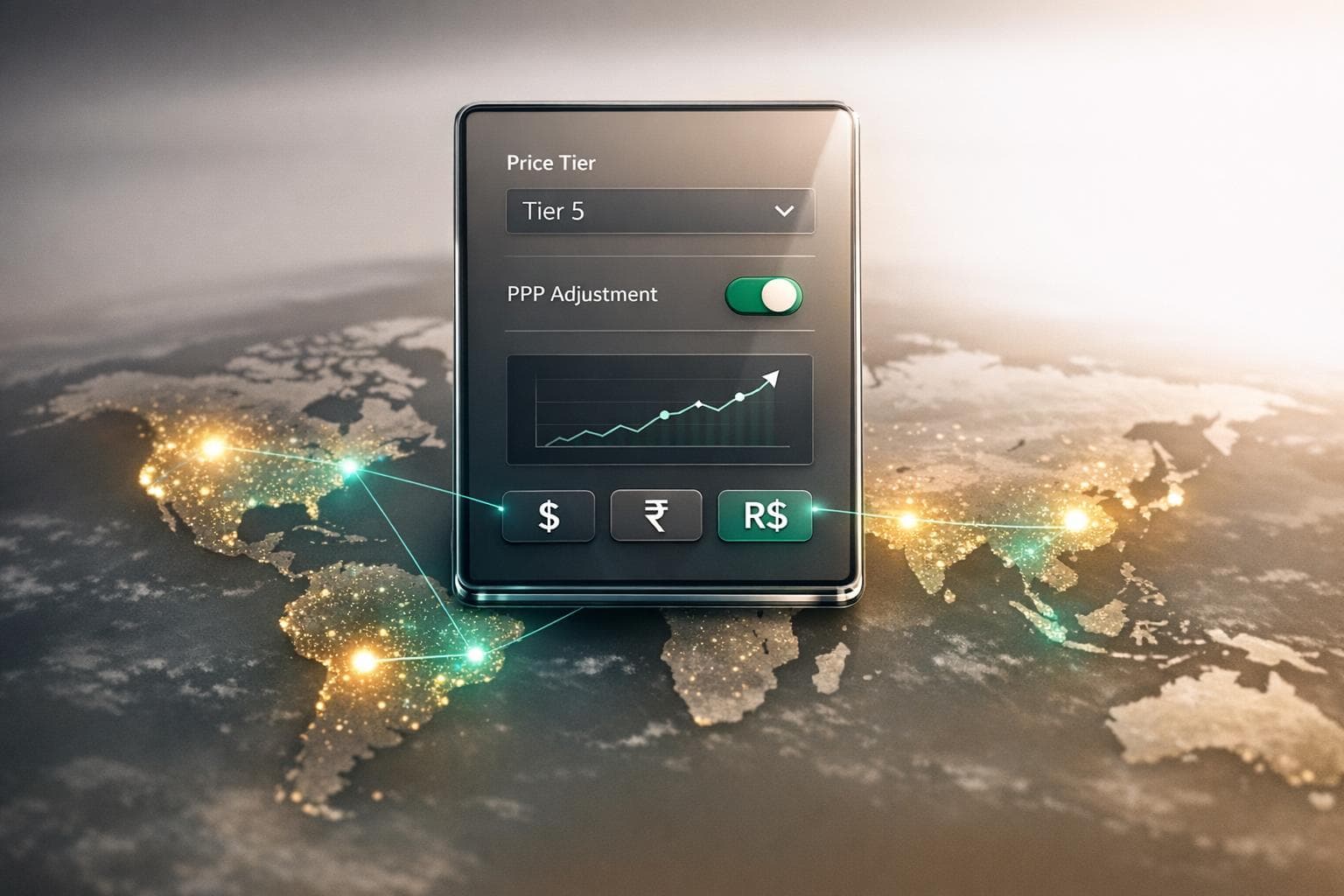
Apple App Store Price Tiers: How They Work in 2026
Relying on Apple's auto-converted prices leaves many markets overpriced - use PPP and pricing tools to reclaim global revenue.
Read more
How Regional Pricing Boosts Revenue for Mobile Apps
Regional pricing isn't just for big apps. Here's how adjusting prices by market can meaningfully grow your mobile app revenue.
Read moreHow to Set Up Purchasing Power Parity (PPP) Pricing for Your App
Learn how to implement Purchasing Power Parity pricing to make your app affordable in diverse markets while maximizing global reach and compliance.
Read more
The App Store Small Business Program: How to Pay 15% Instead of 30% (2026)
Apple takes 15% instead of 30% from enrolled developers under $1M in proceeds, and Google Play runs a matching tier. How both work, and what most guides get wrong.
Read more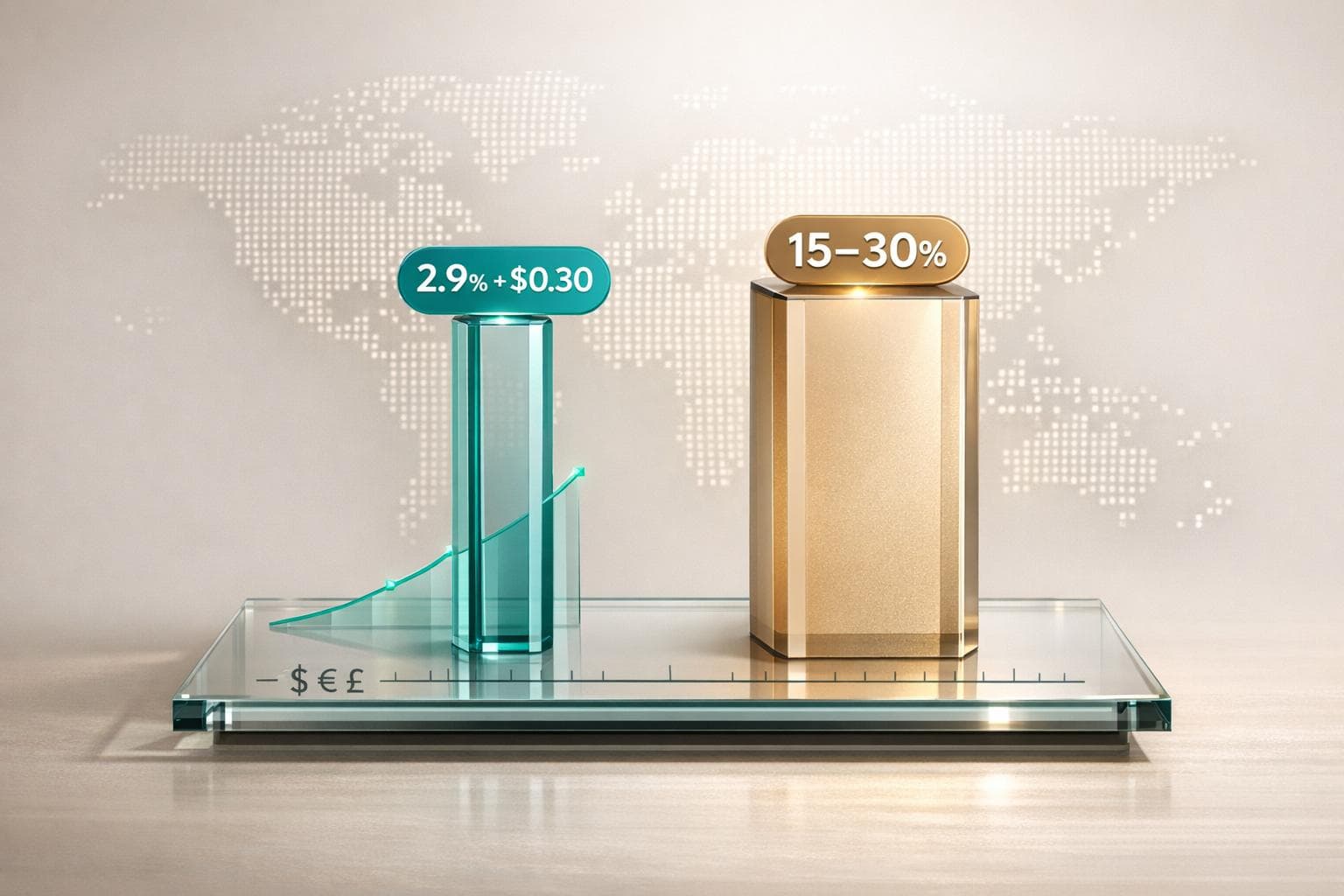
Stripe Fees vs App Store Fees for Digital Goods (2026)
Stripe charges roughly 3% per transaction. Apple and Google take 15 to 30%. What app developers actually pay for digital goods, and when Stripe is even an option.
Read more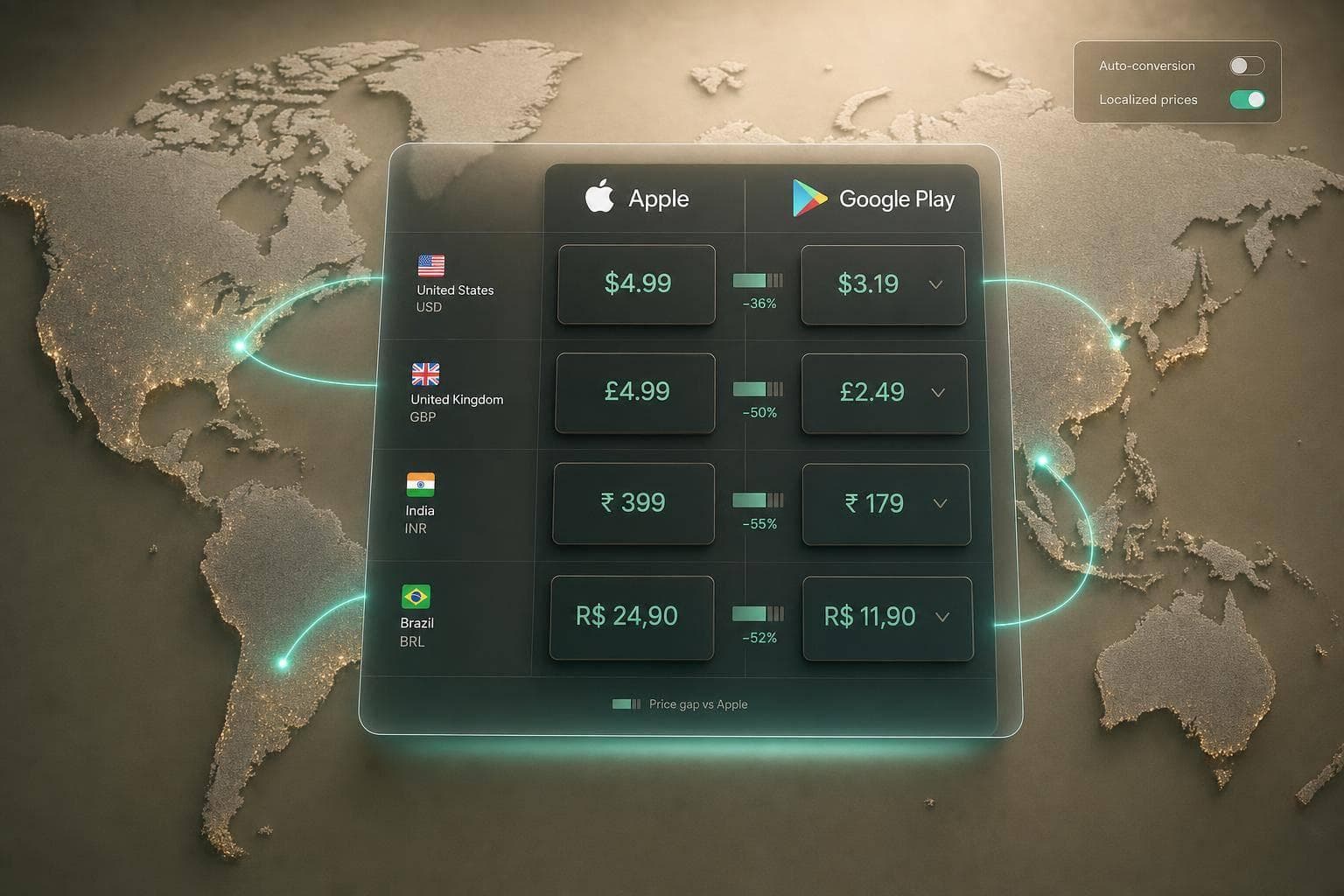
Google Play vs Apple: Price Tier Differences
Currency conversion isn't localization: Apple’s tier ladder and Google Play’s country prices create price gaps—set deliberate local prices and review them.
Read more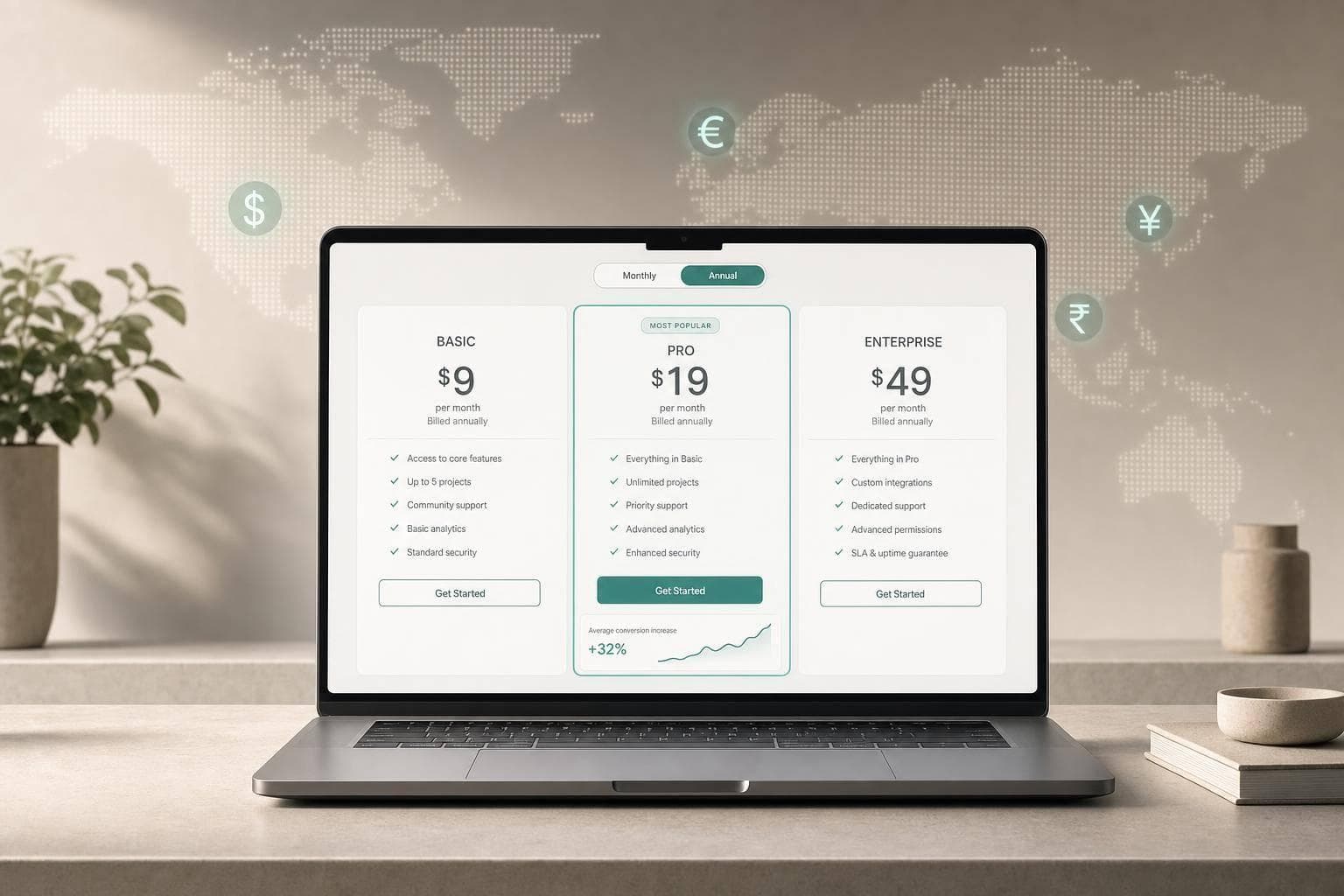
Subscription Tiers: How to Structure App Plans
Three clear tiers, identical monthly/annual features, and market-specific pricing to boost conversion and retention.
Read more
Free Trial Conversion Benchmarks for 2026
2026 benchmarks for trial-to-paid rates by model, category, region and length—use like-for-like comparisons to judge performance.
Read more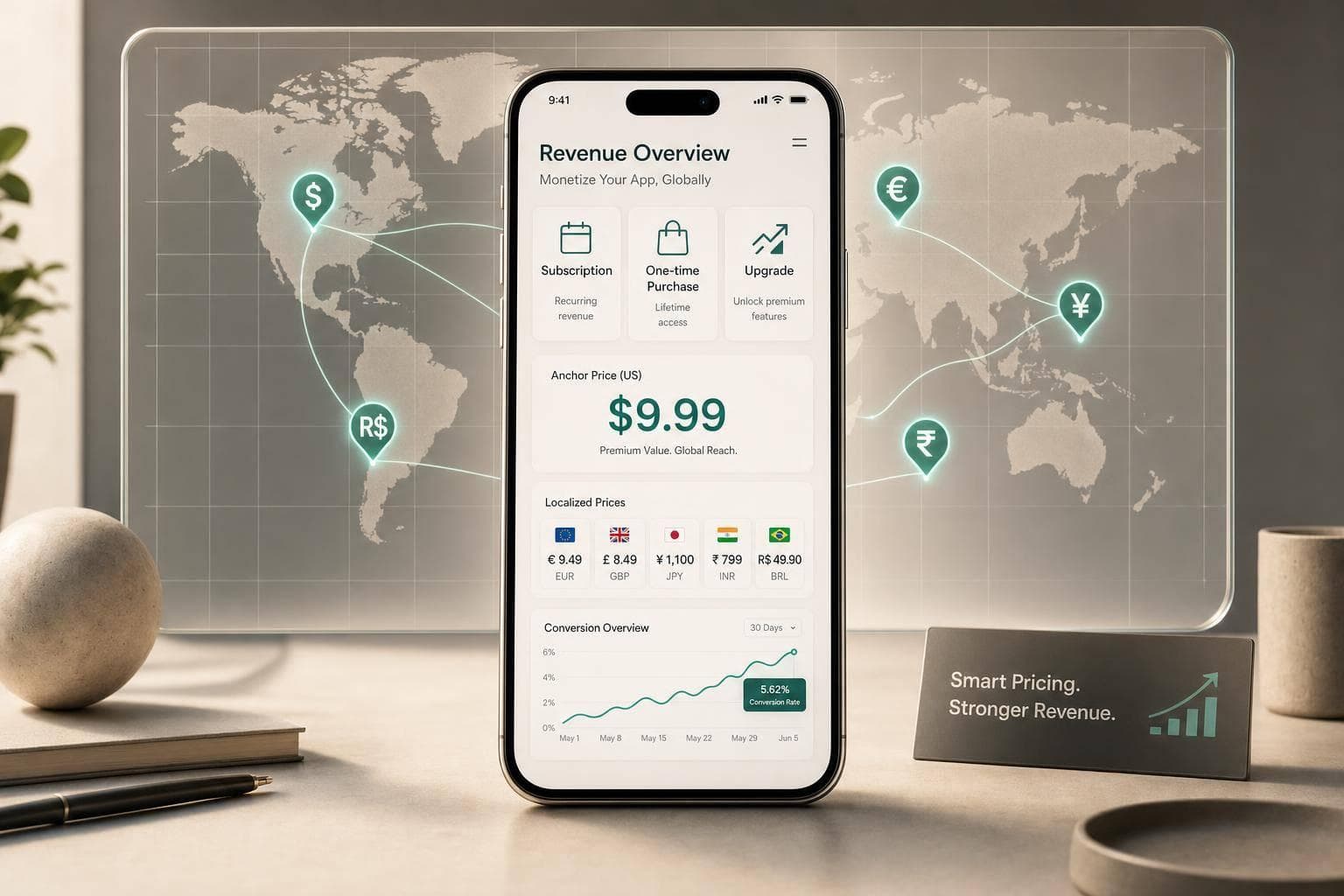
How to Monetize an App Without Ads
Choose the right revenue model, set U.S. anchor prices, and localize country pricing to grow app revenue without ads.
Read more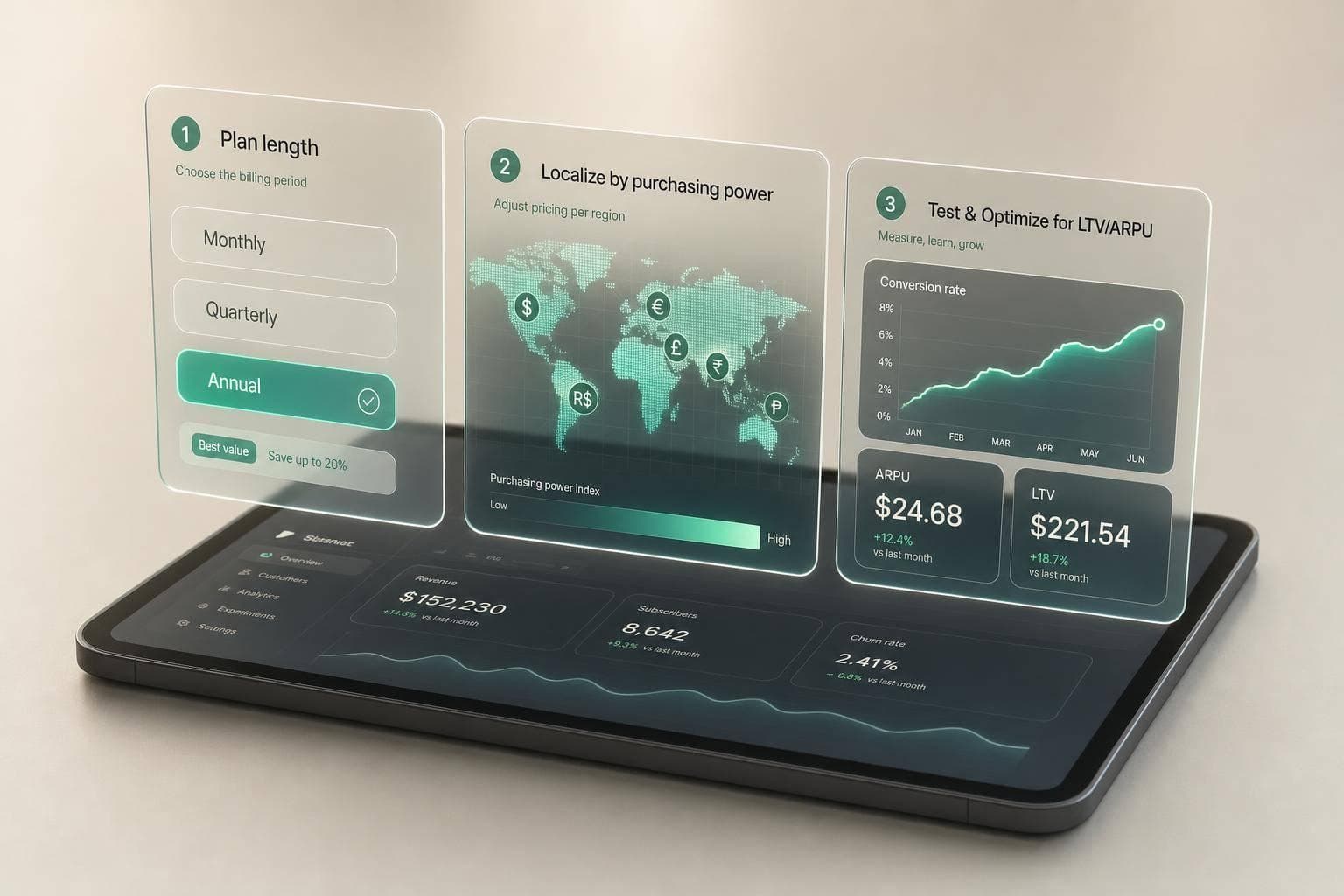
Subscription Pricing: How to Pick the Right Model
Treat pricing as a repeatable system: pick plan length, localise by purchasing power, then test for LTV and ARPU.
Read more
App Monetization: 7 Models That Work in 2026
Seven app monetization models — freemium, subscriptions, IAPs, ads, paid unlocks and hybrid stacks — with regional pricing tips.
Read more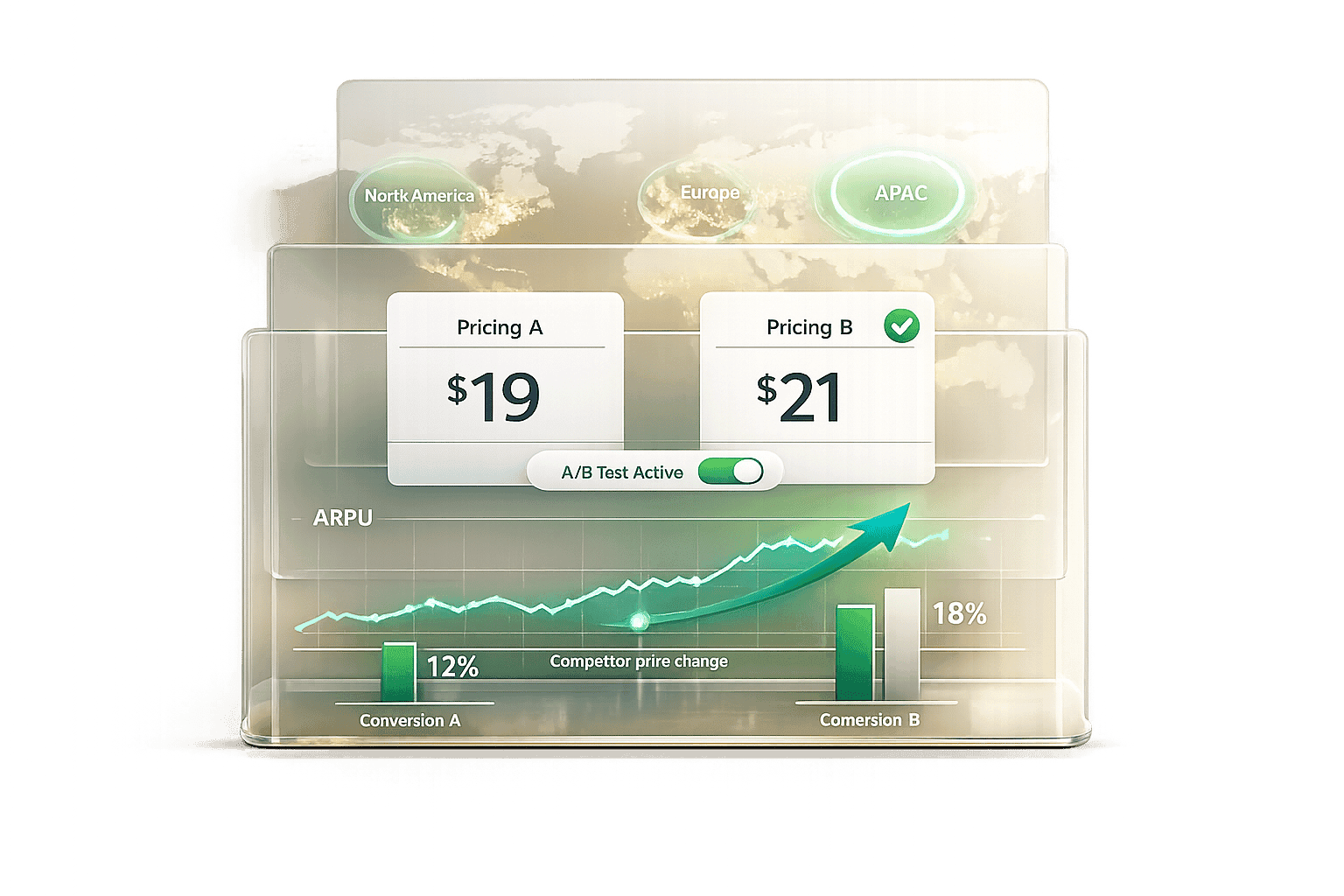
Competitor Price Changes: A/B Testing Strategies
A/B pricing tests turn reactive responses to competitor price changes into data-driven wins that protect ARPU and drive regional revenue.
Read more
Ultimate Guide to Real-Time Pricing for Apps
Dynamic regional pricing for apps using PPP, FX, and psychological rounding to boost conversions and global revenue.
Read more
Competitor Bundling Tactics: What to Learn
How top streaming services use tiered bundles, regional pricing, and add-on slots to cut churn and boost lifetime value for subscriptions.
Read more
How Policy Changes Impact App Revenue Globally
Platform fees, regional laws, and pricing strategies are reshaping global app revenue—localization, alternative payments, and tools.
Read more
Competitor Pricing Analysis: Key Metrics to Track
Track ARPU, LTV, churn and regional pricing to convert competitor insights into higher subscription revenue.
Read more
Demand-Based Pricing: Lessons from Netflix and Spotify
Localized, behavior-driven pricing boosts app revenue—use regional rates, freemium/tier tests, and pricing tools to scale globally.
Read more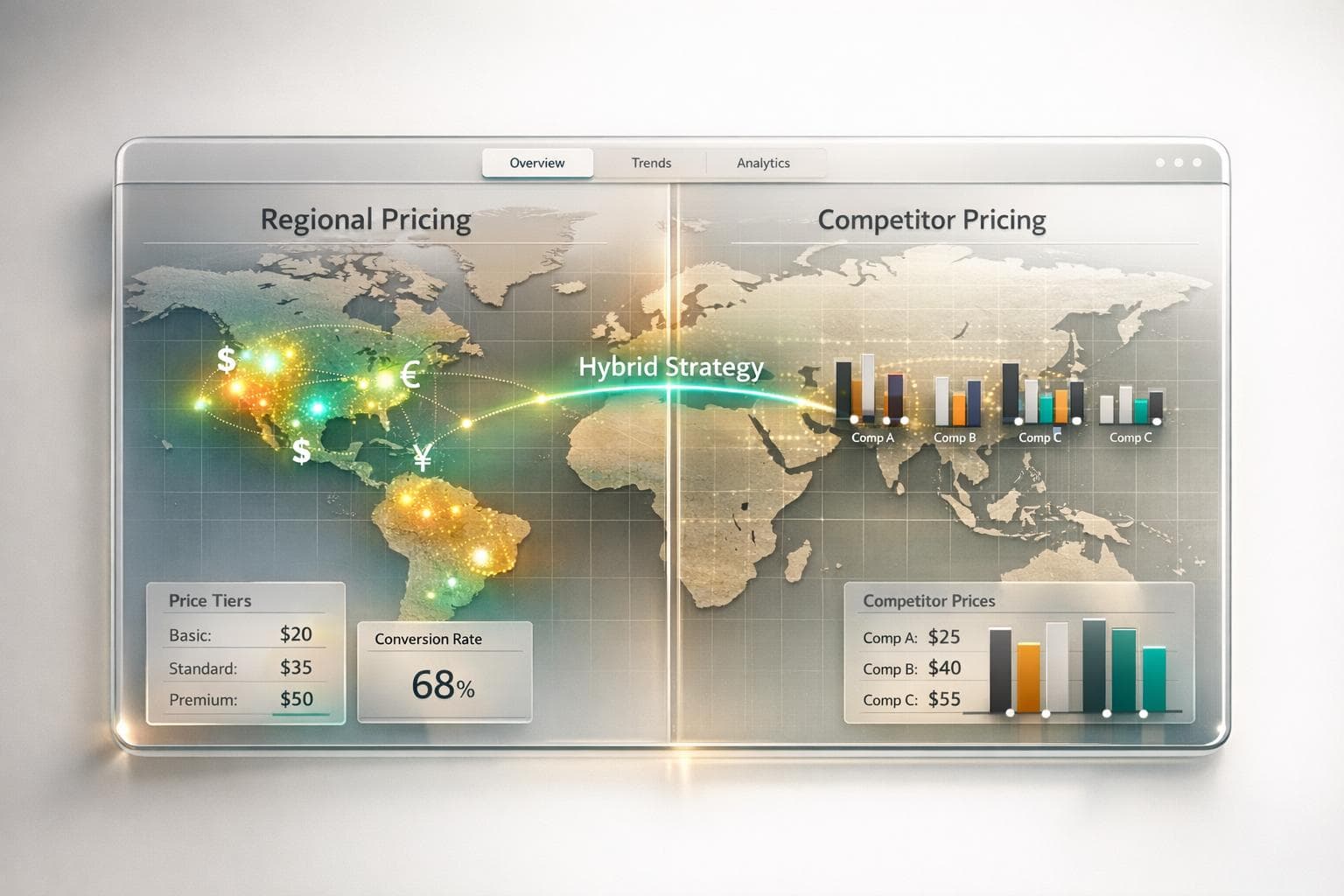
Regional Pricing vs. Competitor Pricing: Pros and Cons
Compare regional vs competitor app pricing: pros, cons, tools, and when a hybrid strategy maximizes conversions and revenue.
Read more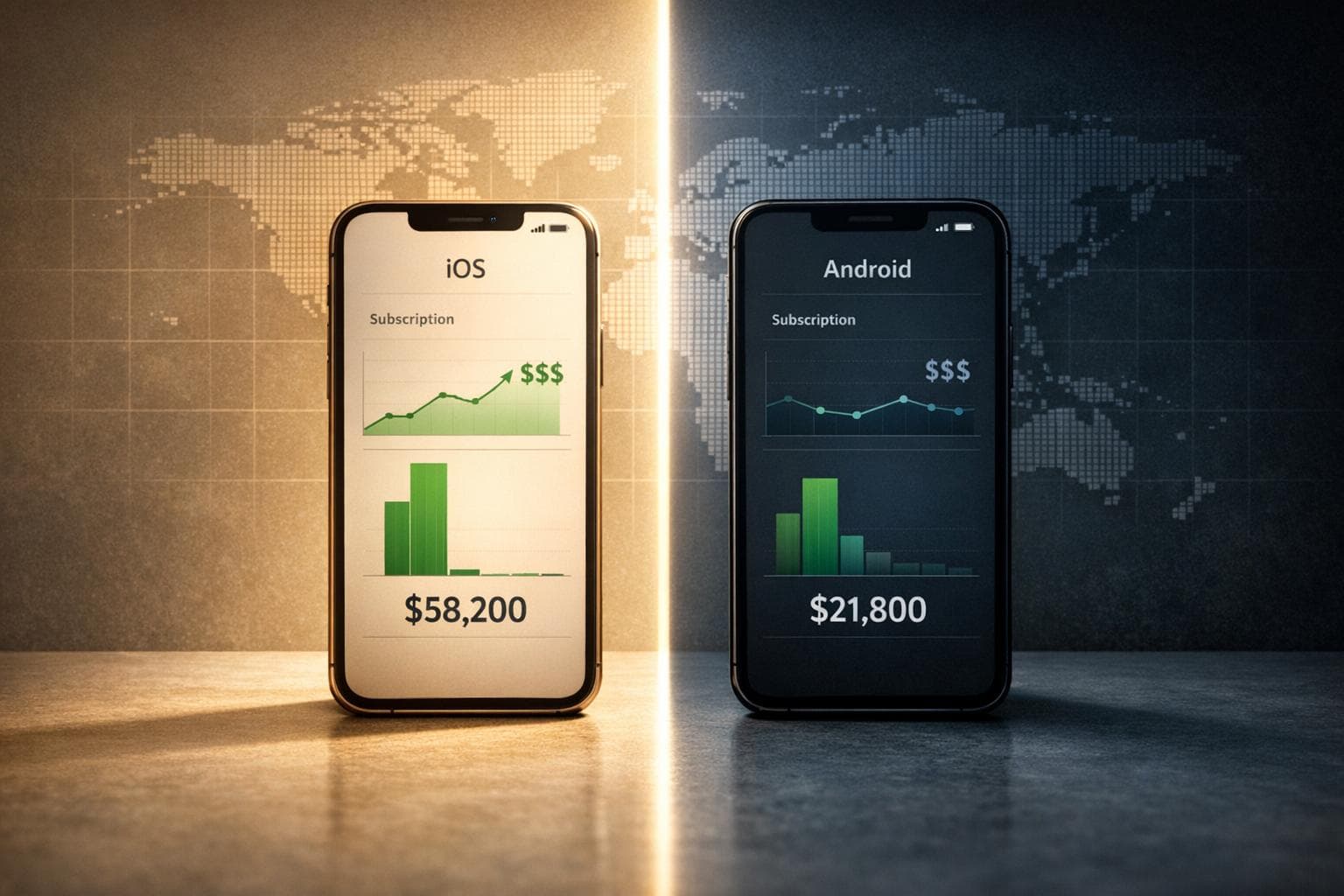
iOS vs Android: Subscription Revenue Benchmarks
A clear revenue gulf between premium and mass-market mobile platforms forces developers to choose revenue-first or scale-first strategies.
Read more
A/B Testing for In-App Purchase Pricing
Run A/B price tests for in-app purchases to optimize LTV, ARPPU, and regional pricing while avoiding common testing pitfalls.
Read more
Subscription Revenue by App Category: 2026 Data
Top apps capture nearly all subscription revenue in 2026; weekly plans, localized pricing, and retention experiments drive success.
Read more
Regional Pricing for Subscription Tiers
Adjust subscription prices by market using PPP, tiering, psychological rounding, A/B tests, and automation to improve conversions and revenue.
Read more
Hybrid Monetization for Subscription Apps: A Practical Guide
Hybrid monetization combines subscriptions, in-app purchases and ads in one app. How to build the stack, balance ads with IAP, and when it lifts revenue.
Read more
How to Manage App Prices with One Dashboard
Centralize app pricing to set localized rates, automate updates across iOS, Android, and web, and run A/B tests to increase conversions and revenue.
Read more
Freemium vs Paid Apps: Which Earns More in Each Region (2026)
How freemium and paid app models perform by region: conversion rates, best markets, and pricing tactics to maximize revenue.
Read more
Regional Pricing for Subscriptions: Best Practices
Set and test regional subscription prices using PPP, local market data, and automation to increase revenue, conversions, and retention.
Read more
App Pricing Strategy: Common Questions, Answered
Tailor app prices by market using PPP, A/B tests, and competitor analysis to boost conversions and revenue while preventing price arbitrage.
Read more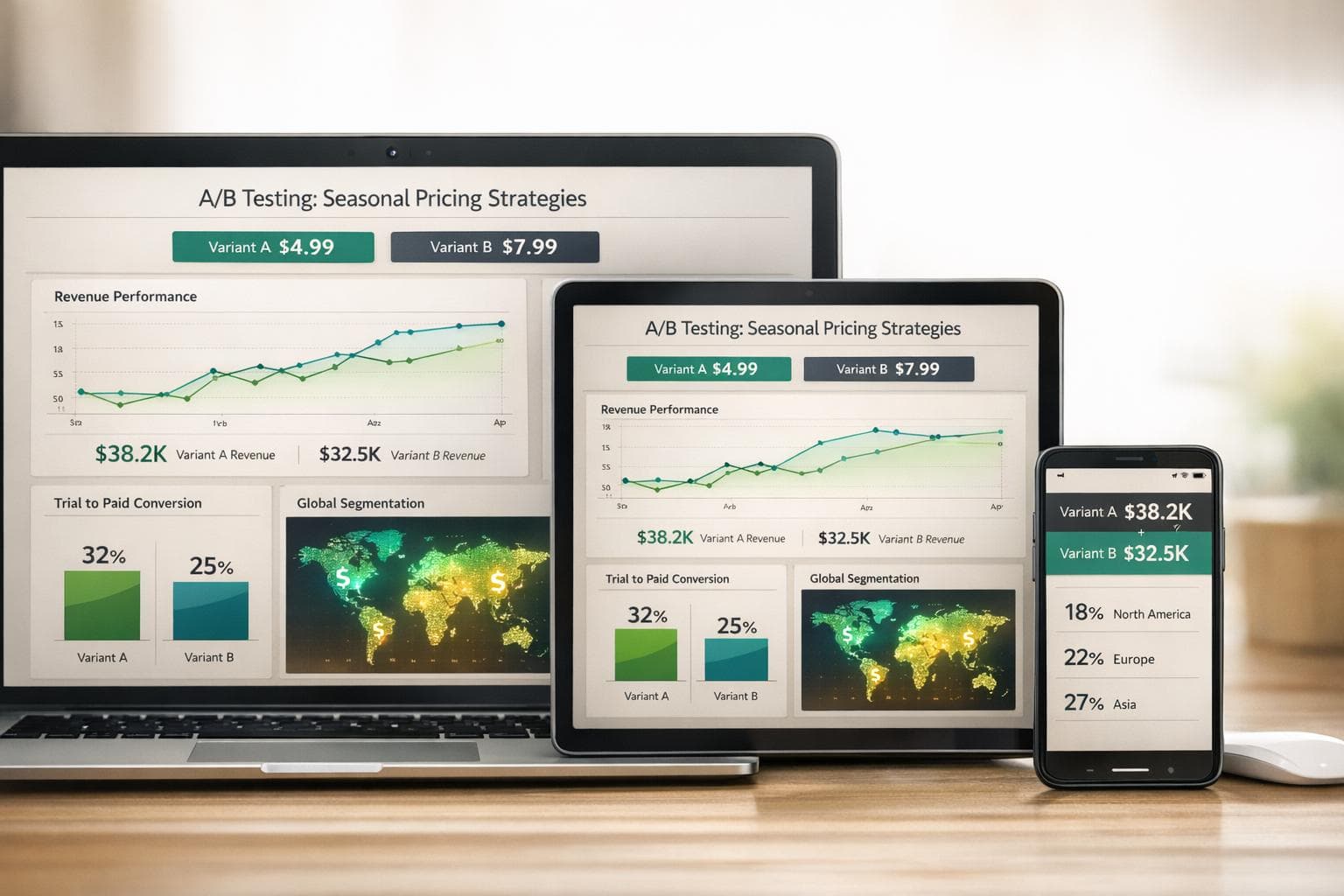
A/B Testing Seasonal App Pricing Strategies
Run A/B tests on seasonal price changes, track LTV, churn, and trial-to-paid conversions, and use segmentation and automation to optimize app revenue.
Read more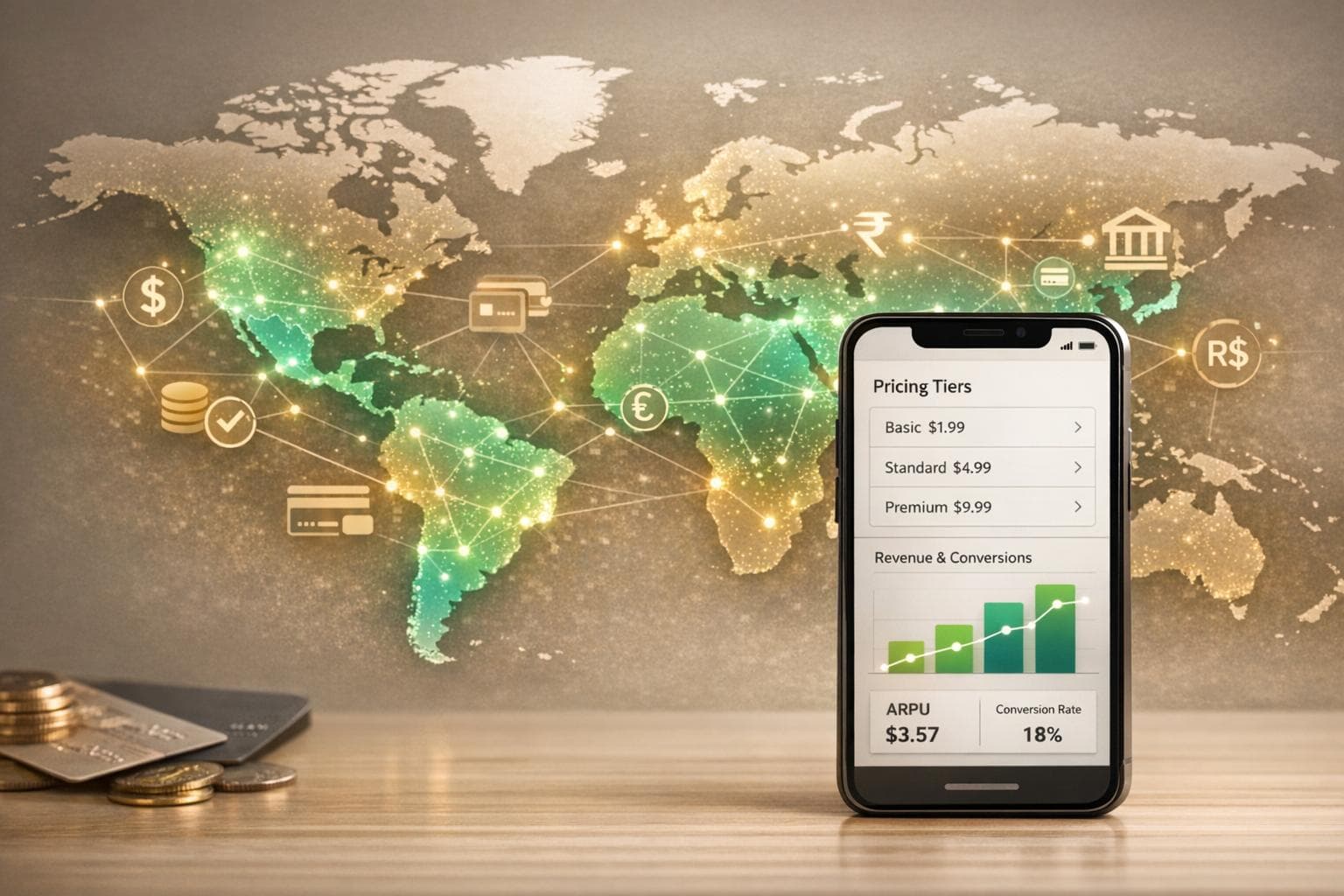
Ultimate Guide to Emerging Market App Pricing
Pricing playbook for apps in emerging markets: localize with PPP, offer micro-transactions, support local payments, test tiers, and automate pricing.
Read more
How to Build a MarTech Stack for Subscription Apps
Discover how to create an effective MarTech stack for subscription apps, including MMPs, lifecycle tools, and revenue infrastructure.
Read more
How Currency Impacts Subscription Metrics
How exchange rates and local purchasing power skew MRR, ARPU and churn — and how automated regional pricing stabilizes subscription revenue.
Read more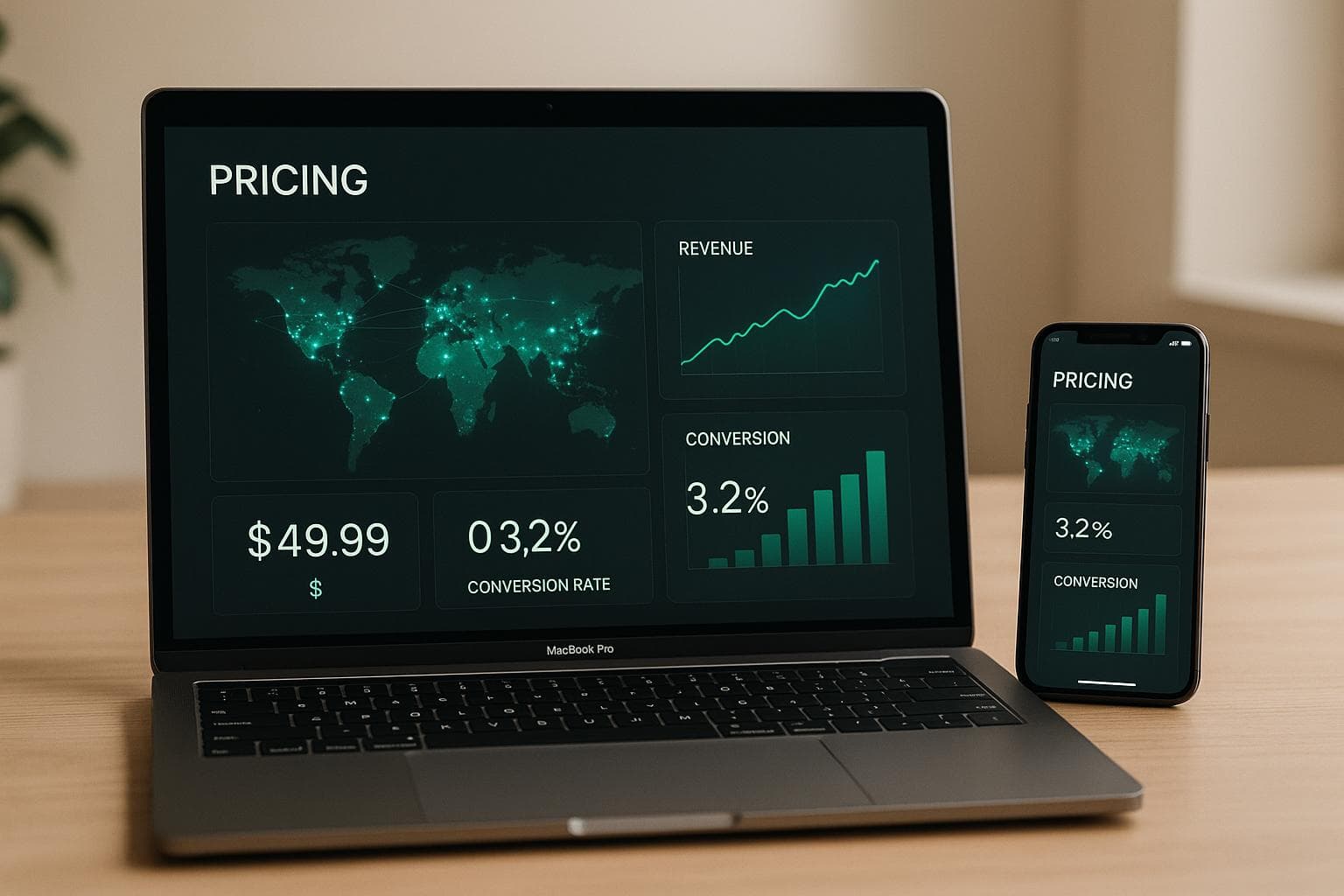
Price Sensitivity vs. Revenue Growth: Key Insights
Regional pricing, A/B testing, and WTP models help app developers balance price sensitivity with revenue growth to boost conversions and LTV.
Read more
State of AI Apps 2025: Market Report
AI apps generated $1.9B in revenue in H1 2025. Discover key market trends, top players, and monetization insights for AI apps.
Read more
App Pricing Guide: Japan Market (2025 Data)
Japan's monthly app subscriptions are 57% cheaper than the US. Learn the nuances of pricing for Japanese mobile users in 2025.
Read more
App Pricing Guide: The Netherlands Market (2025 Data)
The Netherlands has subscription prices 62% higher than the US. Learn how to optimize your app pricing for this high-value market using 2025 benchmarks.
Read more
App Pricing Guide: Nigeria Market (2025 Data)
Nigeria requires specific pricing strategies. Learn why prices are 63% lower than the US and how to adapt your app for this market.
Read more
App Pricing Guide: Turkey Market (2025 Data)
Turkey's app prices run about 71% below the US. How to set the right local tiers to lift conversions in a fast-growing market.
Read more
App Pricing Guide: UK Market (2025 Data)
The UK mobile market is growing by nearly 10%. Discover 2025 pricing benchmarks and how to optimize for British subscribers.
Read more
2025 App Retention Benchmarks & Strategies
Day 1, 7, and 30 retention benchmarks by app category. See how your numbers stack up and where users drop off before they churn.
Read more
2025 Monetization Trends: Casino Games
Casino game revenue dipped, but Plinko is exploding. Learn about 2025 monetization trends and the importance of LiveOps offers.
Read more2025 Monetization Trends: Hybridcasual Games
Hybridcasual revenue skyrocketed 88% in 2025. Learn why Season Passes and targeted offers are essential for this growing genre.
Read more
2025 Monetization Trends: Puzzle Games
Puzzle games grew 15% in 2025, led by Block Puzzle and Merge. Explore key monetization trends and offer strategies for developers.
Read more
2025 Monetization Trends: Strategy Games
Strategy games revenue hit $13.5B in 2025. Learn why 4X Strategy and Card Battlers are growing and how to price for whales.
Read more
Ultimate Guide to User Behavior Pricing for Apps
How to tie app prices to user actions: segment users, run behavioral A/B tests, combine regional pricing, and boost conversions and revenue.
Read more
Winning Pricing Strategies for Emerging Markets
Tailored app pricing for India, Indonesia and other emerging markets — economy, penetration, premium, regional and freemium tactics to boost adoption and revenue.
Read more
Mobile App Pricing Calculator
Calculate the best pricing for your mobile app with our free tool. Input audience size, downloads, and subscriptions to see revenue projections!
Read more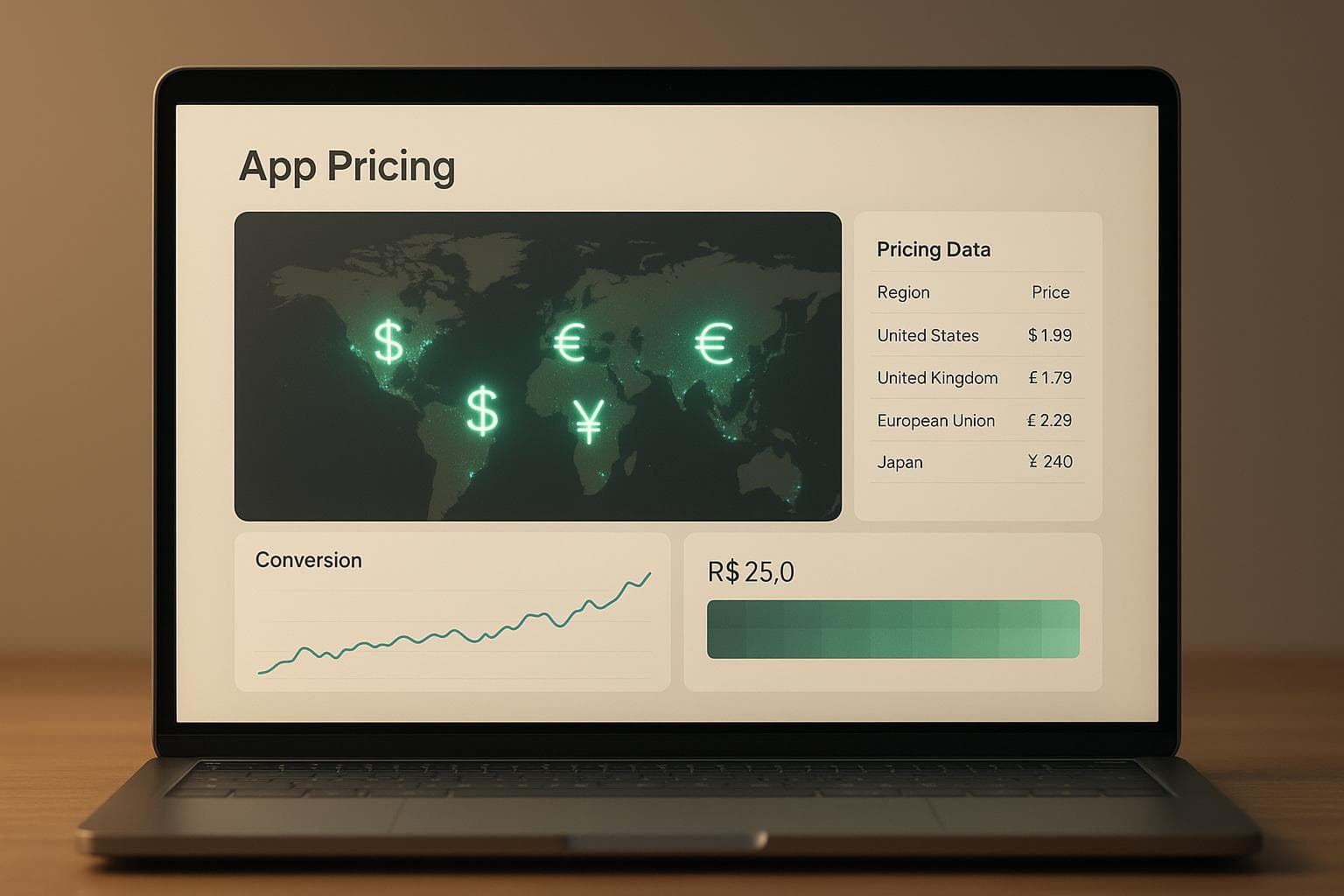
App Store Pricing Compliance: Complete Checklist
Ensure your app's pricing compliance with this comprehensive checklist covering regional pricing, tax obligations, and transparency requirements.
Read more
Why Global App Revenue Drops: Pricing Solutions
Explore how uniform pricing limits app revenue globally and discover effective strategies for localized pricing that align with regional purchasing power.
Read more
iOS vs Android: Price Tier Mapping Differences
Explore the distinct pricing strategies and regional adjustments for app developers on iOS and Android to maximize revenue potential.
Read more
Localized Pricing in Google Play: How It Works and How to Set It Up
How Google Play localizes prices by country, why it converts better than manual rates, the traps to avoid, and how to set rates that earn more.
Read more
How Does Localized Pricing Work in App Store
Learn how App Store localized pricing works — Apple's tier system, algorithm effects, and how Mirava helps optimize prices for every market.
Read more
Why Purchasing Power Parity Pricing Is A Must For Mobile Apps
Most apps block 85% of users with flat pricing. Learn why PPP pricing is essential for global mobile growth and how to implement it safely.
Read more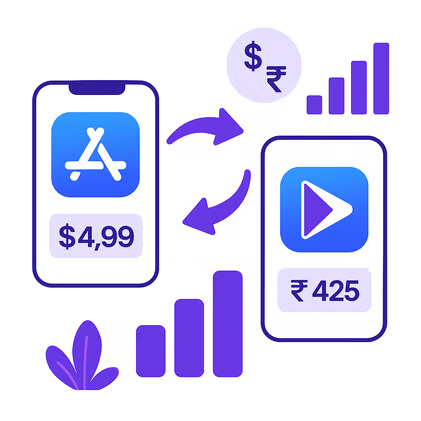
How to Sync Mobile App Prices in Apple Store and Google Play
Keeping prices in sync across iOS and Android is trickier than it looks. A step-by-step guide to avoid mismatches and lost revenue.
Read more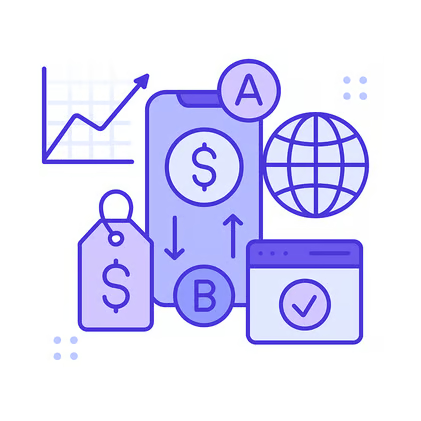
What Is The Best Way To Test Regional Pricing For A Mobile App
Most apps guess on regional pricing. Here's a structured way to test, measure, and optimise what works—without disrupting existing subscribers.
Read more